 Download slides
Winter storms, recommerce and pop-ups impact retail supply chains
Published: Thursday, February 05, 2026 | 09:00 AM CDT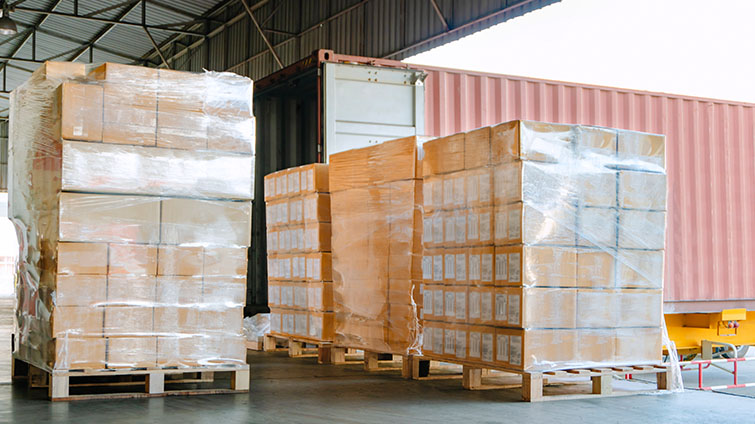
Winter storms may affect floral deliveries
Valentine’s Day (14 February) is the traditional start of the spring floral season, which runs through Mother’s Day (10 May). This three-month period generates about 70% of annual flower sales in the United States. The lion’s share of flowers move through a carefully temperature-controlled supply chain from Ecuador and Colombia, where 95% of the inventory is sourced.
Most of the 2,500% surge in floral volumes for Valentine’s Day is already stateside, set to move from Miami across the continental United States. One source of uncertainty is a pair of late January-early February winter storms that have disrupted southern and eastern states, causing widespread power outages, shutting down roads and logistics facilities and leading to significant freight delays.
Retailers should stay flexible, secure backup temperature-controlled capacity and be ready to use alternate routeing if necessary. Protecting cold-chain integrity and adjusting regional allocations based on storm impacts will help to ensure product reaches shelves on time during this short, high-demand window.
Recommerce on the rise
As non-traditional retail resale channels are seeing growth across the board, the recommerce market, short for “reversed commerce,” is expected to cross $410 billion globally by 2028.
Thrift shops have been gaining popularity for several years as social media influencers show off their finds for younger followers. Approximately 50% of Gen Z (ages 18 to 29—the first fully digital generation) and 40% of Millennials (ages 30 to 45) shop secondhand, as compared to less than 20% of Gen X (ages 46 to 61).
But not all thrift shops are traditional brick-and-mortar treasure hunting havens. Today, nearly one-quarter of all thrift store customers say they prefer to thrift shop online. Nearly 20% of thrift store shoppers are “regulars” visiting thrift shops once a week, both online and in-store.
Meanwhile, liquidators have become the middleman between large retailers and the end consumer or smaller re-seller. Liquidators purchase large quantities and resell them in bulk. Many specialise in specific categories such as apparel, appliances or electronics, relying on high volume and quick turnaround. If a pallet sits for more than 48 hours, it’s likely to lose money. Many liquidators rely on AI for pricing and inventory.
The recommerce model requires flexible supply chains with an emphasis on fast, on-time deliveries that align with unique business models and tailored delivery solutions.
Shops-within-a-store and pop-ups draw foot traffic
In 2024, an estimated $80 billion worth of goods were sold through pop-up shops. For 2025, that number was estimated to rise to $95 billion. In fact, 80% of retailers that have opened a pop-up store consider them a success. Nearly 60% say they’re planning to open another pop-up store in the future.
One form of pop-up retail that can generate significant foot traffic and sales is the shop-within-a-store. Pioneered in the early 1900s, when Marshall Field’s and Harrods of London launched a partnership to sell select brands within each other’s shops, the idea has seen a resurgence as a strategy to compete with online retail by enticing new shoppers into brick-and-mortar shops.
Both formats require complex logistics involving smaller and unique locations and assortments, as well as consolidation of items between retailers.
Tariffs update
No new U.S. tariffs have taken effect since 2 November 2025, underscoring the gap between policy discussions and actual implementation. In the coming months, two big issues have the potential to change the trade environment again or give companies breathing room to optimise their sourcing strategies:
- A Supreme Court decision will determine whether the U.S. administration was justified in invoking a national emergency to levy certain tariffs and whether these tariffs will stand or possibly be refunded. Court watchers expect the decision in the second half of February at the earliest. The case pertains to global reciprocal tariffs and tariffs intended to stop the flow of illegal drugs, such as the 10% tariff on certain Canadian energy imports. The case does not pertain to tariffs on specific commodities such as steel, aluminium and copper used in energy infrastructure that were levied under a different type of authority.
- A review of the U.S.-Mexico-Canada Trade Agreement (USMCA) review is under way. These negotiations may result in changes to the North American trade deal, likely mid-year. It could affect consumer staples from Canada and the appliances, electronics and other retail goods manufactured in Mexico.
Other developments of note:
- The U.S. administration announced it may raise tariffs on South Korean imports, saying that country has not lived up to its end of the trade deal made in 2025. It’s important to note this is an ongoing policy discussion and has not progressed to implementation. If implemented, rates would increase from 15% to 25%.
- Mexico’s new tariffs took effect on 1 January, 2026. The tariffs target Asian—mainly Chinese—imports, with 5-50% rates.
- Canada’s 50% steel surtax on goods from countries without free trade agreements, most notably China, took effect on 26 December, 2025.
For more information, including news of an U.S.-India trade deal, go to the Trade Policy & Customs section of this report.
 Actionable freight insights